
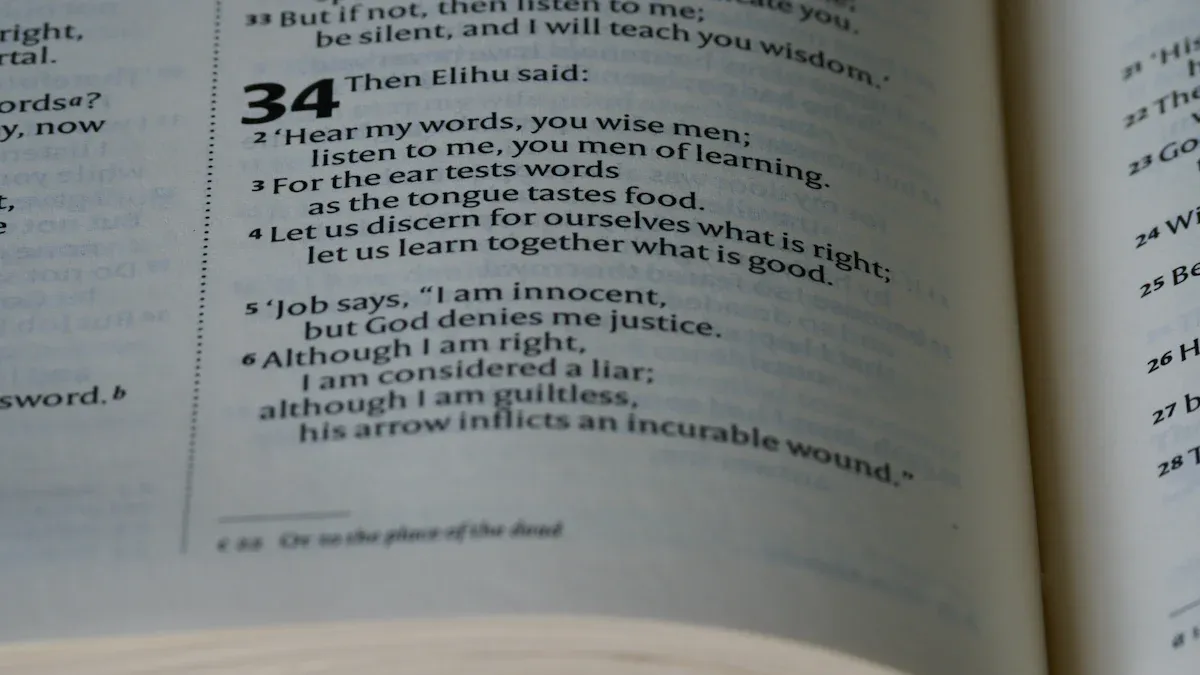
In today’s world, discerning truth has become increasingly difficult. You face a flood of information, much of which can mislead or distort biblical teachings. Many accept ideas without critical evaluation, leaving them vulnerable to spiritual pitfalls.
The Bible warns, “For such men are false apostles, deceitful workmen, disguising themselves as apostles of Christ†(2 Corinthians 11:13). This reminder calls for vigilance and discernment.
Christian discernment is not just a skill; it is a safeguard for your faith. It helps you reject false teachings, align with God’s will, and grow spiritually. By immersing yourself in Scripture and seeking God’s guidance, you can develop this vital ability. Make an emphasis on discernment a priority in your walk with Christ.
Key Takeaways
Read the Bible every day to grow strong in understanding.
Pray for help and wisdom before learning new ideas for clarity.
Check the teacher’s actions and history to see if they are trustworthy.
Stay close to a good church group for support and guidance.
Watch out for culture’s ideas that may twist Bible truths. Focus on Scripture first.
Ground Yourself in Scripture

Make Daily Bible Reading a Priority
Develop a consistent reading plan to understand the full counsel of God.
Daily Bible reading is essential for building discernment. A structured reading plan helps you engage with the full counsel of God, ensuring you don’t overlook key biblical teachings. Start by setting aside a specific time each day for Scripture. Whether it’s morning or evening, consistency matters.
To stay on track, use resources like reading plans or journaling Bibles. For example, the ESV Single Column Journaling Bible provides space for notes, helping you reflect on God’s Word. If you miss a day, don’t give up. Have a backup plan to catch up and maintain your habit.
Tip: Partner with a friend or mentor for accountability. Sharing insights with someone can deepen your understanding and keep you motivated.
Use study tools like commentaries or concordances to deepen understanding.
To grasp the depth of Scripture, explore tools like Strong’s Exhaustive Concordance or online commentaries such as Precept Austin. These resources help you uncover the original meanings of words and provide context for passages.
For a deeper dive, consider Wayne Grudem’s An Introduction to Systematic Theology. It explains Christian doctrines clearly, helping you align your understanding with sound doctrine. By investing in these tools, you’ll gain wisdom and insight, equipping yourself to discern truth from error.
Test Teachings Against Biblical Truth
Compare any teaching or doctrine with Scripture to ensure alignment.
Not every teaching aligns with biblical truth. To protect your faith, compare every doctrine you encounter with Scripture. As 1 John 4:1 says, “Dear friends, do not believe every spirit, but test the spirits to see whether they are from God.†This practice ensures you uphold sound doctrine and reject falsehoods.
When evaluating teachings, ask questions like: Does this align with God’s Word? Does it promote Christ-centered living? Immersing yourself in Scripture sharpens your ability to separate truth from error, fostering spiritual maturity.
Memorize key verses to use as a foundation for discernment.
Memorizing Scripture equips you to respond to challenges with confidence. Verses like Proverbs 2:3-5 remind you to seek wisdom diligently, while Hebrews 5:14 emphasizes the importance of training yourself to distinguish good from evil. These verses serve as anchors, guiding your thoughts and actions.
Note: Start with one verse a week. Write it down, repeat it daily, and reflect on its meaning. Over time, these verses will become a powerful tool for discernment.
Grounding yourself in Scripture not only strengthens your faith but also pleases Christ. It enables you to uphold sound doctrine and contribute to the church’s mission of promoting God’s kingdom.
Pray for Wisdom and Guidance
Seek the Holy Spirit’s Help
Ask for discernment in prayer before engaging with new teachings.
Prayer is a powerful tool for spiritual discernment. Before you engage with any new teaching, take time to pray and ask God for wisdom. James 1:5 reminds you, “If any of you lacks wisdom, let him ask God, who gives generously to all without reproach, and it will be given him.†This promise assures you that God will provide the understanding you need to distinguish good from evil.
When you pray, be specific. Ask the Holy Spirit to guide your thoughts and protect you from error. The Spirit, described as the “Spirit of truth†in John 16:13, will lead you into all truth. This divine guidance helps you navigate complex teachings and remain rooted in biblical truth.
Trust the Spirit to illuminate truth and expose error.
The Holy Spirit plays a vital role in helping you discern truth. Through prayer, the Spirit can reveal deeper meanings in Scripture and apply them to your life. For example, during Pentecost, the disciples received clarity and boldness to preach the gospel, even in challenging circumstances. This same Spirit works in your life today, convicting you of sin, teaching righteousness, and equipping you to serve.
Trust the Spirit to expose error and protect you from deception. As you rely on Him, you’ll grow in your ability to discern truth and make decisions that honor God.
Cultivate a Humble Heart
Approach prayer with a willingness to be corrected or redirected.
Humility is essential for spiritual discernment. When you pray, approach God with an open heart, ready to accept His correction. King Solomon’s prayer in 1 Kings 3:9 is a beautiful example of this attitude: “Give your servant, therefore, an understanding mind to govern your people, that I may discern between good and evil.†Solomon’s humility allowed him to receive divine wisdom.
In your own prayers, ask God to align your desires with His will. Be willing to let go of personal preferences and trust His perfect plan. This mindset fosters a deeper connection with God and sharpens your ability to discern His guidance.
Avoid pride, which can cloud judgment and hinder discernment.
Pride is one of the greatest obstacles to discernment. It blinds you to truth and makes you more susceptible to error. To cultivate humility, practice repentance daily. Turn away from sin and acknowledge your dependence on Christ. Serving others is another practical way to counteract pride. By adopting a servant’s attitude, you reflect Christ’s example and open your heart to God’s wisdom.
Remember, spiritual discernment requires a humble spirit. As you empty yourself of pride, you create space for the Holy Spirit to work in your life, helping you distinguish good from evil and stay grounded in truth.
Evaluate the Source of the Teaching
Examine the Teacher’s Character
Look for evidence of godly living and integrity in their life.
When evaluating a teacher, their character speaks volumes about the truth of their message. A teacher who lives with integrity and reflects godly principles provides a strong foundation for discernment. Look for traits such as humility, a genuine love for others, and a commitment to teaching from a biblical worldview. These qualities often reveal a teacher’s dedication to separating truth from error.
Teachers with a strong sense of mission view their role as a calling to guide others toward God. They strive for excellence, not for personal gain, but to glorify God. Their humility allows them to acknowledge their imperfections, promoting forgiveness and restoration. These characteristics align with doctrinal soundness and theological accuracy, ensuring their teachings are rooted in truth.
Be cautious of teachers who prioritize fame, wealth, or power.
Beware of teachers who seem more focused on building their platform than on spreading God’s Word. A teacher who prioritizes fame, wealth, or power may compromise doctrinal soundness for personal gain. This behavior often leads to teachings that lack discernment and stray from biblical truth.
Ask yourself: Does this teacher’s life reflect Christ’s humility? Do they serve others selflessly? If their actions contradict their words, it’s a red flag. A teacher’s character should inspire you to grow in faith, not lead you astray.
Research the Teacher’s Background
Investigate their theological training and denominational affiliations.
A teacher’s background can provide valuable insight into their teachings. Research their theological training and denominational affiliations to ensure they align with theologically sound authors and institutions. Teachers with a solid foundation in biblical studies are more likely to uphold theological accuracy and sound doctrine.
For example, a teacher trained in a reputable seminary often demonstrates a commitment to separating truth from error. Their education equips them to handle Scripture responsibly and guide others with discernment. This background fosters confidence in their ability to teach with integrity.
Be wary of teachings that lack accountability or oversight.
Accountability is essential for maintaining doctrinal soundness. Teachers who operate without oversight or reject accountability may stray from biblical truth. Look for those who are part of a local church or ministry that holds them accountable. This structure ensures their teachings remain grounded in Scripture and free from personal bias.
When evaluating a teacher, ask: Are they open to correction? Do they submit to the authority of Scripture and their community? A lack of accountability often leads to teachings that deviate from sound doctrine. Stay vigilant and prioritize discernment when assessing their message.
Stay Connected to a Faithful Community

Seek Counsel from Mature Believers
Discuss teachings with trusted mentors or church leaders.
Staying connected to mature believers strengthens your spiritual discernment. Trusted mentors and church leaders provide wisdom and guidance when you encounter challenging teachings. Their experience helps you navigate complex spiritual questions with clarity. By discussing doctrines or ideas with them, you gain fresh perspectives rooted in biblical truth.
A faithful community fosters a collaborative environment where you can share insights and receive support. This collective wisdom aligns your decisions with spiritual values. For example, the early Church in Acts 15 demonstrated this beautifully. They gathered as a community to address theological tensions, ensuring every voice was heard. Their unified decision brought peace and joy to all involved.
Tip: Don’t hesitate to ask questions or seek advice. A humble heart invites growth and strengthens your ability to discern truth.
Be open to correction or alternative perspectives from others.
Openness to correction is vital for spiritual growth. When you allow others to challenge your views, you refine your understanding of Scripture. Mature believers often see things you might miss, helping you avoid potential pitfalls.
Engaging with alternative perspectives doesn’t mean compromising your faith. Instead, it sharpens your discernment by encouraging you to evaluate teachings critically. Peaceful conviction among community members often indicates faithful decision-making. Trust the process and remain teachable.
Participate in a Local Church
Engage in regular worship and Bible study with other believers.
Your local church plays a crucial role in nurturing spiritual discernment. Regular worship and Bible study connect you with others who share your faith. These gatherings provide opportunities to learn, grow, and apply biblical principles in your life.
When you study Scripture with others, you gain insights that deepen your understanding. Collective decision-making within the church ensures alignment with God’s Word. The Jerusalem meeting in Acts 15 exemplifies this. The entire community worked together to address core issues, leading to a unified decision that glorified God.
Avoid isolation, which can make you more vulnerable to deception.
Isolation weakens your ability to discern truth. Without the support of a faithful community, you become more susceptible to false teachings. Staying connected to others keeps you grounded in Scripture and accountable in your walk with Christ.
A local church provides trusted sources of wisdom and encouragement. It reminds you that you’re not alone in your journey. Surrounding yourself with believers strengthens your faith and equips you to stand firm against deception.
Reminder: Spiritual discernment thrives in community. Stay connected, remain teachable, and let others help you grow in faith.
Be Aware of Cultural Influences
Recognize the Impact of Secular Worldviews
Identify ways culture may distort biblical truth.
Cultural influences often challenge biblical truth, making it essential for you to stay vigilant. Modern ideologies, such as Critical Race Theory (CRT) and Cultural Marxism, can distort the gospel by shifting focus from salvation to division. These ideologies emphasize race and identity over unity in Christ, introducing terms like “white privilege” and “systemic oppression” into church discussions. This risks replacing reconciliation in Christ with narratives of division.
Secular worldviews also conflict with biblical teachings. For example:
Materialist views question human equality, reducing people to mere physical entities.
Secular ethics often lack a foundation for universal values, unlike the Judeo-Christian principles that inspired the Universal Declaration of Human Rights.
To guard against these distortions, remain deliberate in separating truth from cultural influences. Seek God’s guidance in prayer and surround yourself with a church family that prioritizes Scripture over cultural acceptance.
Guard against teachings that prioritize personal comfort over Scripture.
Teachings that prioritize comfort over truth can lead to a lack of discernment. Messages that promise prosperity or avoid addressing sin may feel appealing but stray from biblical principles. Instead, focus on teachings that challenge you to grow in faith and obedience.
Be mindful of what you consume. Set boundaries that align with God’s Word, and cultivate a love for His truth by memorizing Scripture. Discuss its application with your family when faced with cultural challenges. This practice strengthens your ability to discern and reject teachings that compromise biblical truth.
Discern Between Tradition and Truth
Evaluate whether a teaching is rooted in Scripture or human tradition.
Not all traditions align with Scripture. Some teachings may stem from cultural norms rather than biblical commands. For example, certain church practices might reflect historical customs rather than God’s Word. To discern the difference, ask yourself: Does this teaching align with Scripture? Does it glorify God or uphold human preferences?
Studying the Bible deeply helps you identify teachings rooted in truth. Join a small group for Bible study and accountability. This community can guide you in evaluating traditions and ensuring your faith remains grounded in Scripture.
Avoid conflating cultural norms with biblical commands.
Cultural norms often influence how people interpret Scripture. However, conflating these norms with biblical commands can lead to confusion and a lack of discernment. For instance, societal expectations about success or relationships may conflict with God’s design.
Stay connected to a faithful community that values God’s Word above cultural trends. Regular discussions with mature believers can help you navigate these challenges. By focusing on Scripture, you can distinguish between human traditions and God’s eternal truth.
Strengthening Christian discernment equips you to navigate life with wisdom and clarity. The five tips—grounding yourself in Scripture, praying for wisdom, evaluating teachings, staying connected to a faithful community, and being aware of cultural influences—offer a roadmap for spiritual growth.
Pursue a close relationship with God through prayer and Scripture.
Seek wisdom from God, trusting Him to guide your decisions.
Recognize spiritual warfare and stand firm in faith.
Test every teaching against God’s Word to ensure its truth.
Surround yourself with godly counsel for encouragement and accountability.
Discernment is not a one-time achievement but a lifelong journey. Immerse yourself in Scripture, pray for guidance, and engage actively in a biblical church. These practices help you press on in spiritual discernment, equipping you to honor God in every decision.
Reminder: Discernment grows through intentionality and reliance on God. Stay committed, and He will illuminate your path.
FAQ
How can I stay consistent in daily Bible reading?
Start small. Dedicate 10-15 minutes each day to reading Scripture. Use a reading plan or a devotional app to guide you. Pair your reading with prayer to deepen your understanding. Consistency grows when you make it a priority and set a specific time.
Tip: Keep your Bible in a visible spot as a reminder.
What should I do if I feel unsure about a teaching?
Compare the teaching with Scripture. Pray for wisdom and ask the Holy Spirit to guide you. Seek advice from mature believers or church leaders. They can provide clarity and help you discern truth from error.
Reminder: Trust God to reveal His truth in His timing.
Why is humility important for discernment?
Humility opens your heart to God’s correction. It helps you recognize your need for His guidance. Pride clouds judgment and makes you vulnerable to deception. A humble spirit allows you to grow in wisdom and align your decisions with God’s will.
How do I recognize cultural influences on my faith?
Pay attention to teachings that prioritize comfort or align too closely with societal trends. Compare them with Scripture to ensure they reflect biblical truth. Stay connected to a faithful community that values God’s Word over cultural norms.
Note: Regular Bible study strengthens your ability to spot distortions.
Can I develop discernment on my own?
Discernment grows best in community. Surround yourself with mature believers who can guide and encourage you. Engage in regular worship and Bible study. God designed the church to help you grow in faith and stay grounded in truth.
Reminder: You’re not alone. Lean on your church family for support.